Flinders Peak Hike: South East Queensland's Best Views
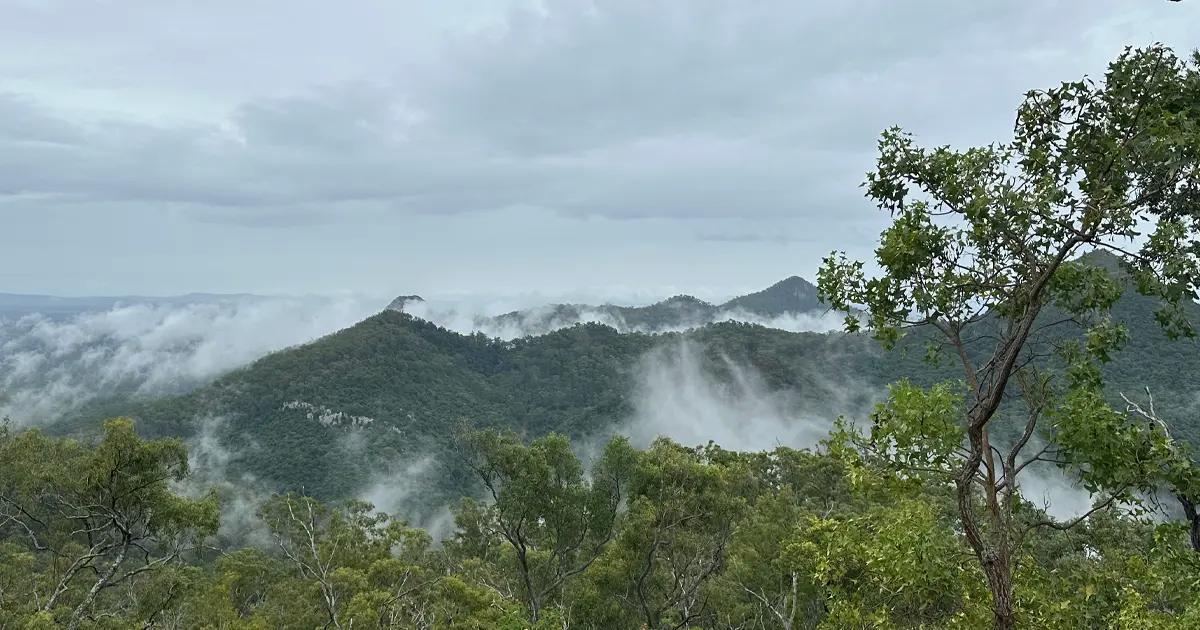
Ready for a hike that gets the heart pumping and rewards you with some of the best views in South East Queensland? The Flinders Peak Track delivers just that. This popular trail, located in the Flinders-Goolman Conservation Park near Peak Crossing, is a favourite for a reason. As James from TrailZen often says, Flinders Peak is one of his favourite hikes, offering a fantastic range of views and challenges. It’s a proper climb, but the summit panoramas are absolutely worth the effort.
This track is known for its steep sections and rocky scramble towards the top, making it a solid test of fitness and determination. But don't let that deter you; with good preparation, it's an incredibly rewarding experience. You'll traverse native bushland, encounter unique volcanic rock formations, and eventually stand atop a distinctive conical peak, gazing out over the Scenic Rim.
Flinders Peak Track offers a challenging hike with incredible 360-degree views from the summit.
Camping Talk: It's all about...
Wild life
Keep your eyes peeled for diverse wildlife
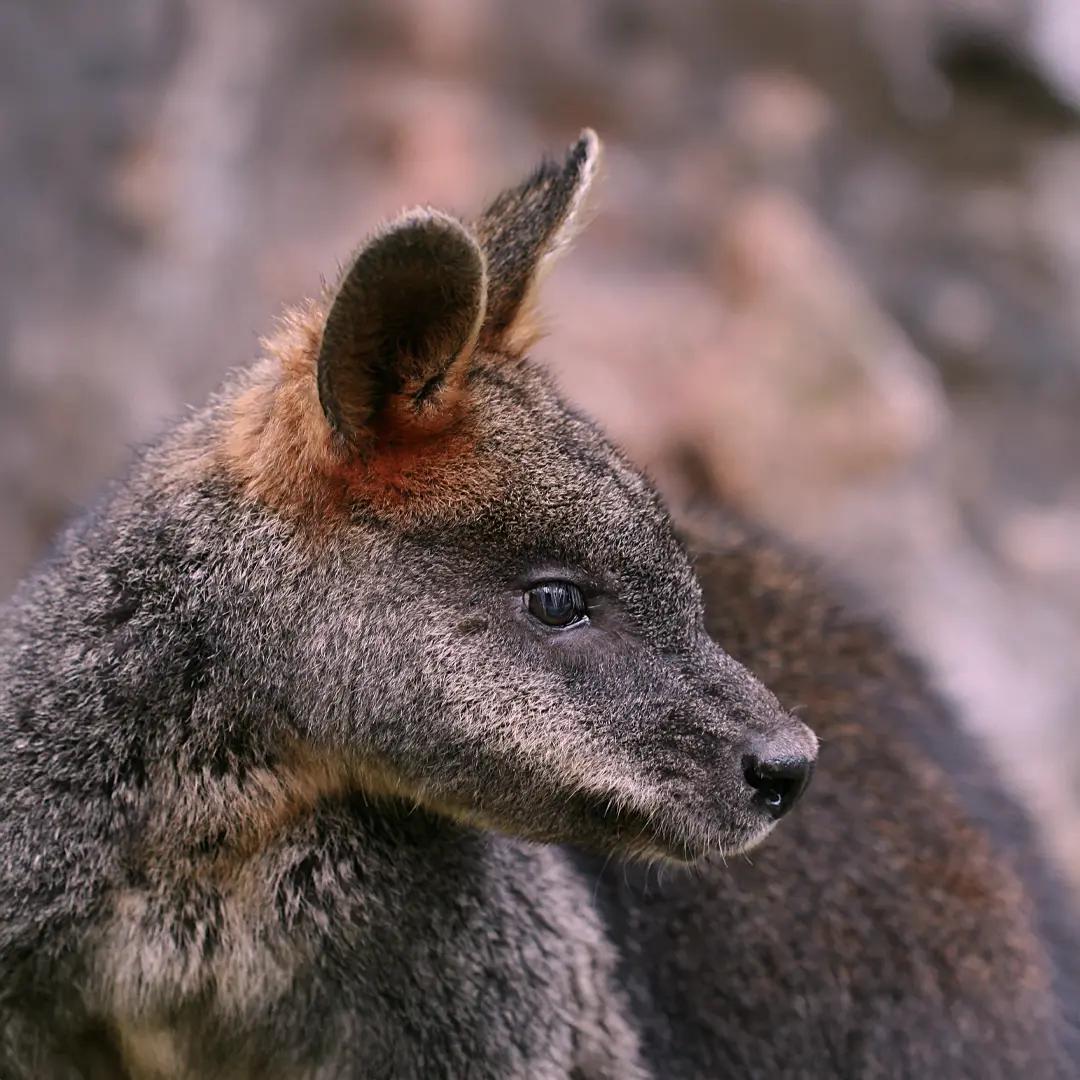
Wallabies
Often seen hopping through the bushland near the trail.
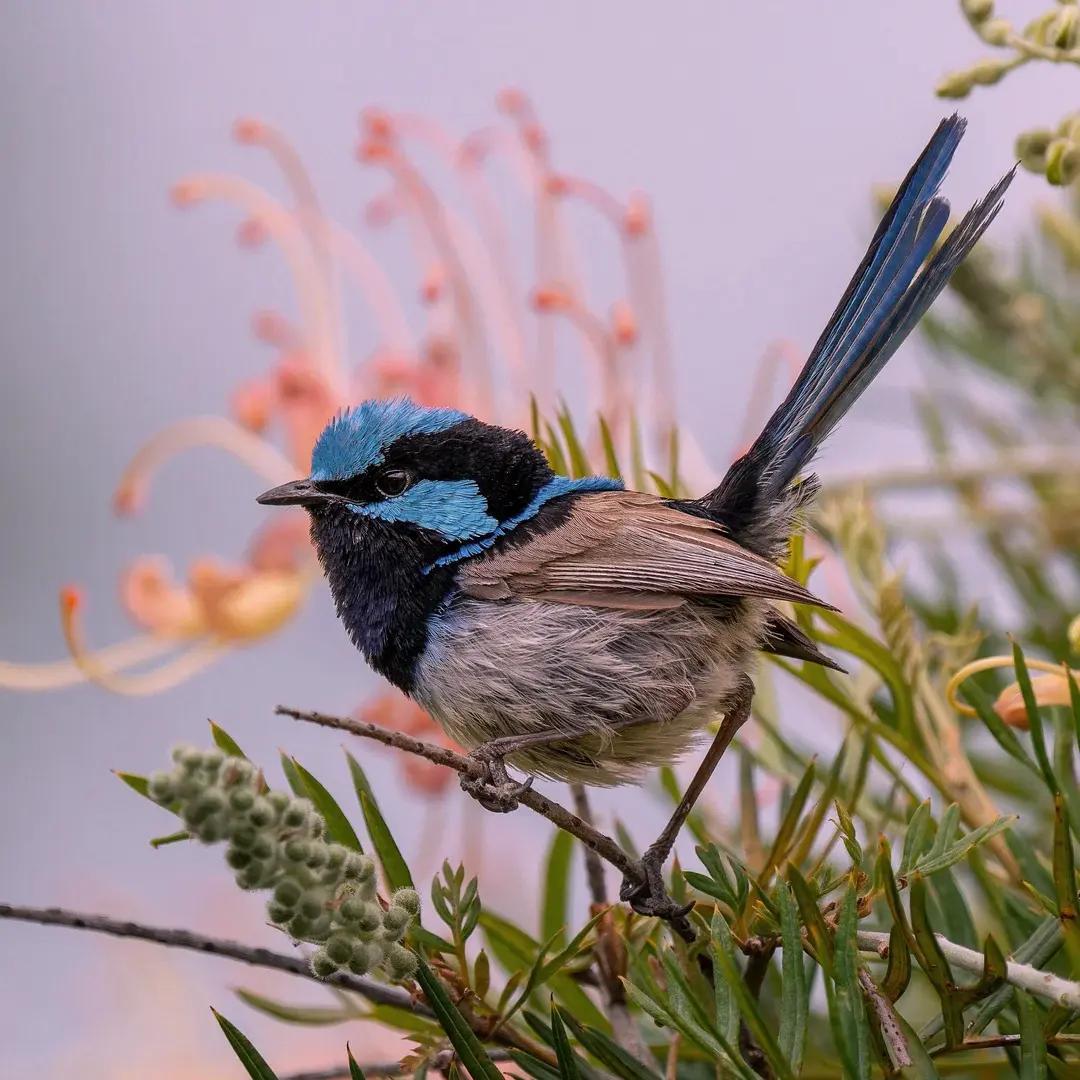
Birdlife
Look and listen for various native birds, including raptors.
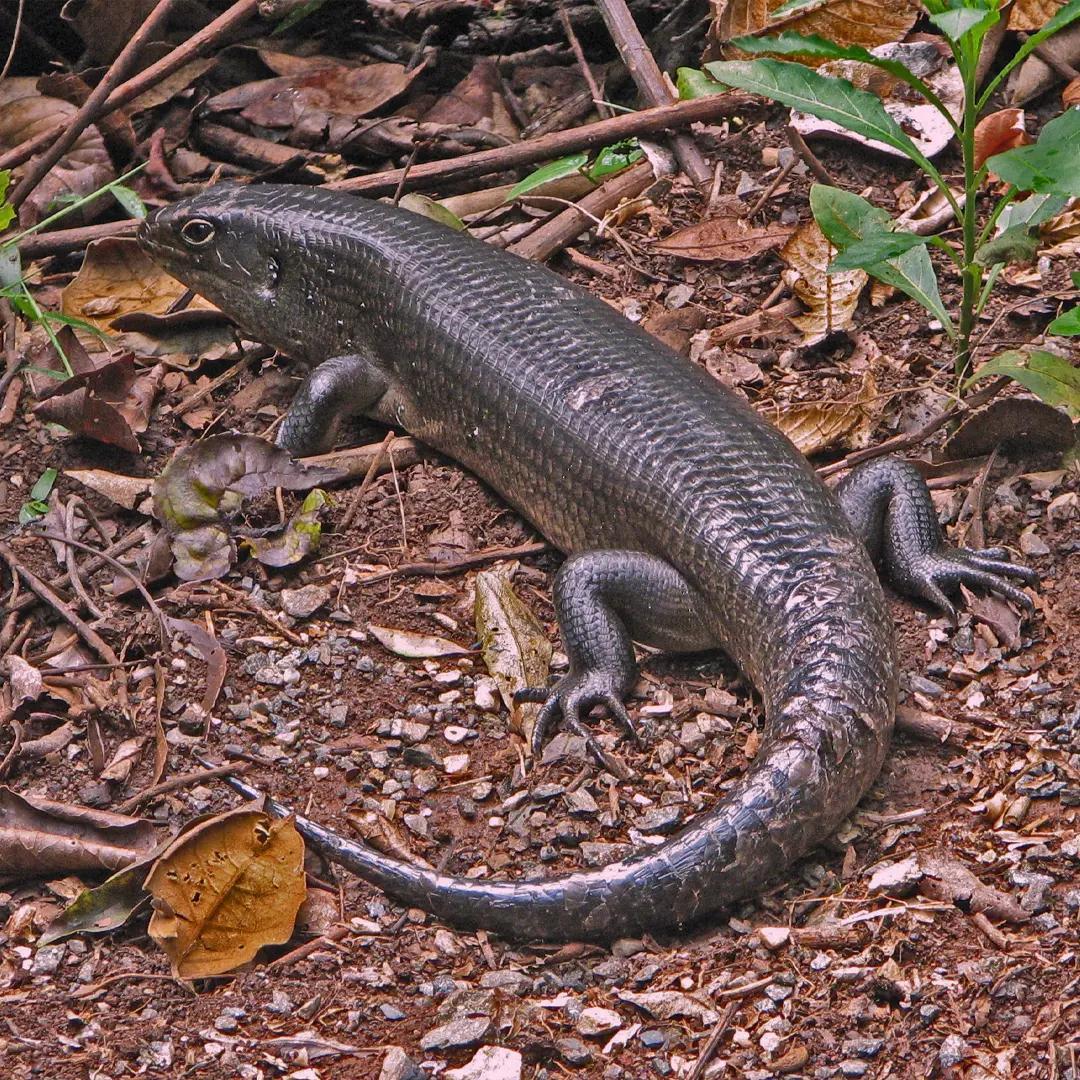
Reptiles
Lizards are common; snakes might appear in warmer months.
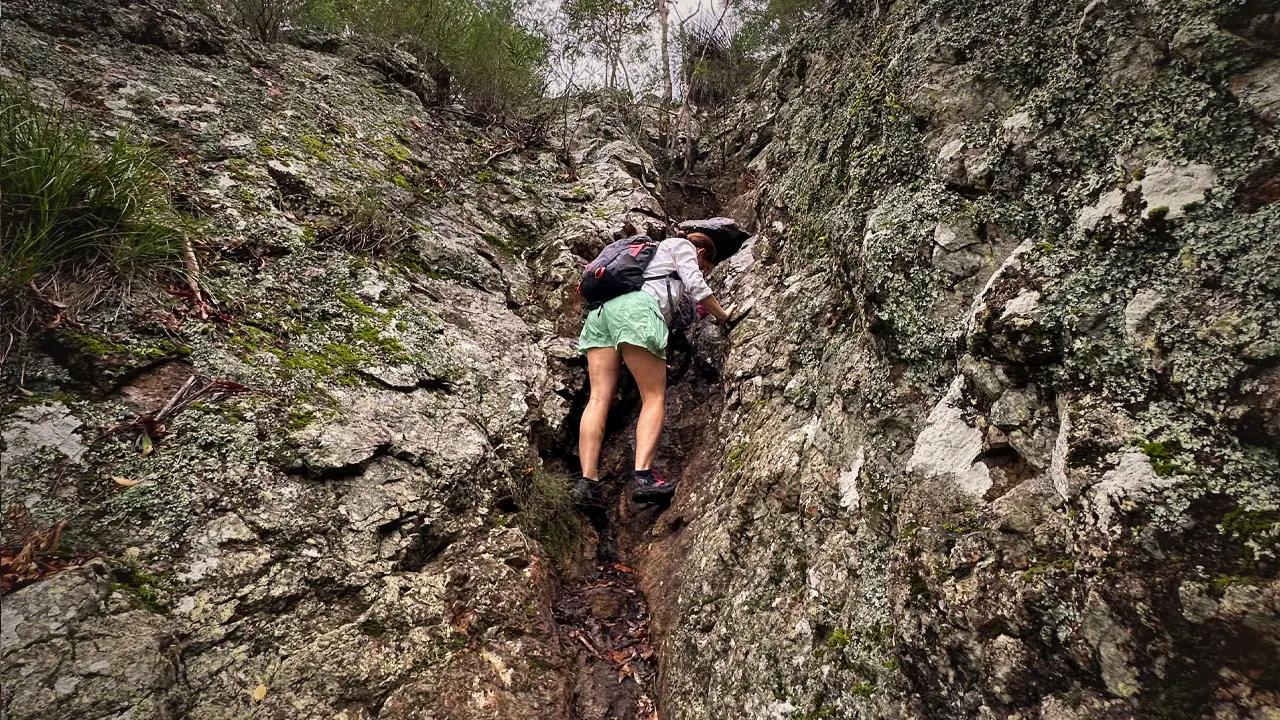
The Flinders Peak Track is a standout among South East Queensland hikes, drawing adventurers seeking both a physical challenge and breathtaking scenery. Located within the Flinders-Goolman Conservation Park in Peak Crossing, South East Queensland, this 6 km out-and-back route offers an elevation gain of 380 metres, typically taking 3-4 hours to complete. It's officially rated as hard, requiring a high level of fitness and suiting intermediate to experienced hikers.
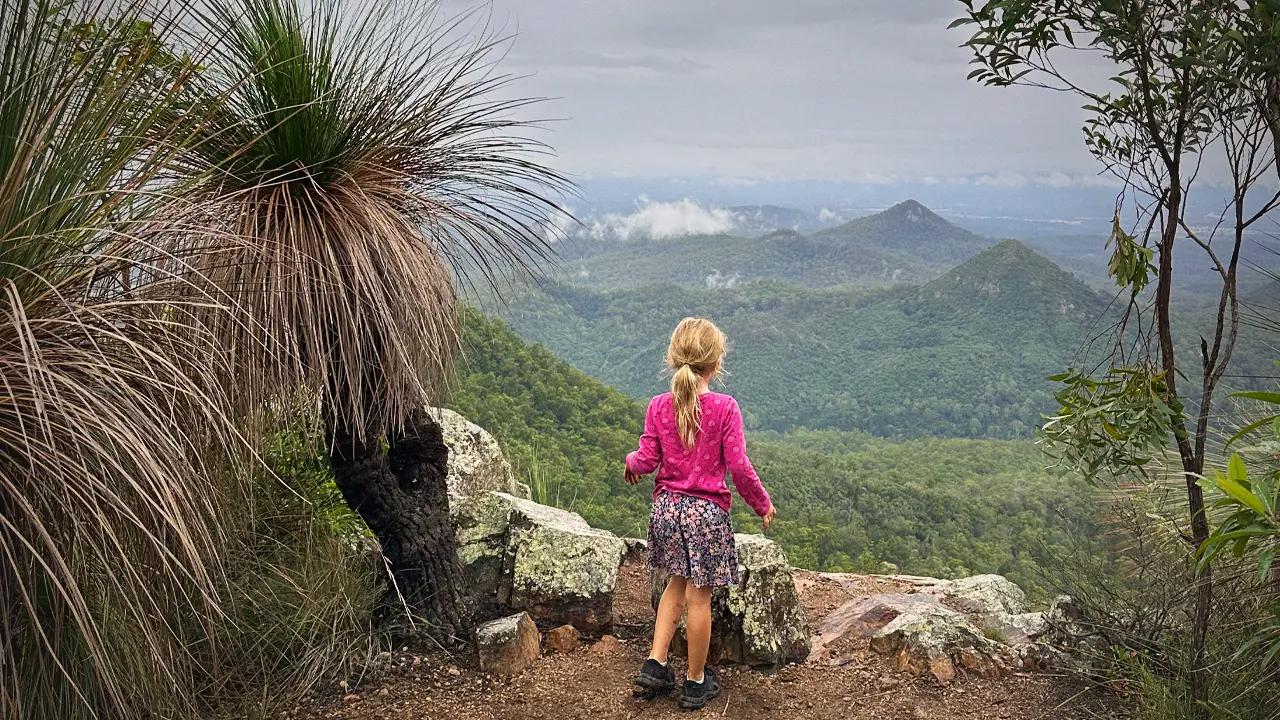
One of the major draws is the expansive 360-degree views from the summit. According to Queensland Parks and Wildlife Service (QPWS), the peak provides incredible vistas of the Scenic Rim and surrounding regions. You'll see rolling farmlands, distant mountain ranges, and the unique landscape shaped by ancient volcanic activity. Flinders Peak itself is a distinctive conical volcanic plug, adding to its visual appeal.
Planning your trip is key for an enjoyable experience. The best time to visit Flinders Peak is during autumn, winter, and spring. These seasons avoid the extreme heat and humidity of summer, making the steep climb much more comfortable. Starting your hike early in the morning is highly recommended, especially on weekends when the track can get busy. An early start also helps you beat the midday sun and, if you're lucky, catch a stunning sunrise from the summit.
Water availability on the Flinders Peak Track is non-existent. You must carry all your water supplies. We recommend a minimum of 2-3 litres per person, especially on warmer days. Mobile reception can be patchy or even non-existent in parts of the conservation park and along the trail, so don't rely on your phone for navigation or emergencies. It's always a good idea to let someone know your plans before you head out.
You don't need any permits for day hiking the Flinders Peak Track, which makes spontaneous trips easier to plan. However, QPWS advises that the final section of the track involves a steep scramble over rocks. This isn't just a walk; it's a proper climb that requires good footwear and a willingness to use your hands. It's also popular for sunrise and sunset hikes, which demand extra planning for appropriate gear like headlamps and warm layers.
Beyond the physical challenge, the track offers a chance to immerse yourself in native bushland scenery. Keep an eye out for local wildlife. Wallabies are commonly sighted in the bushland areas, and various native bird species, including raptors and honeyeaters, can be heard and seen. During warmer months, you might spot lizards or even an occasional snake, so always be aware of your surroundings.